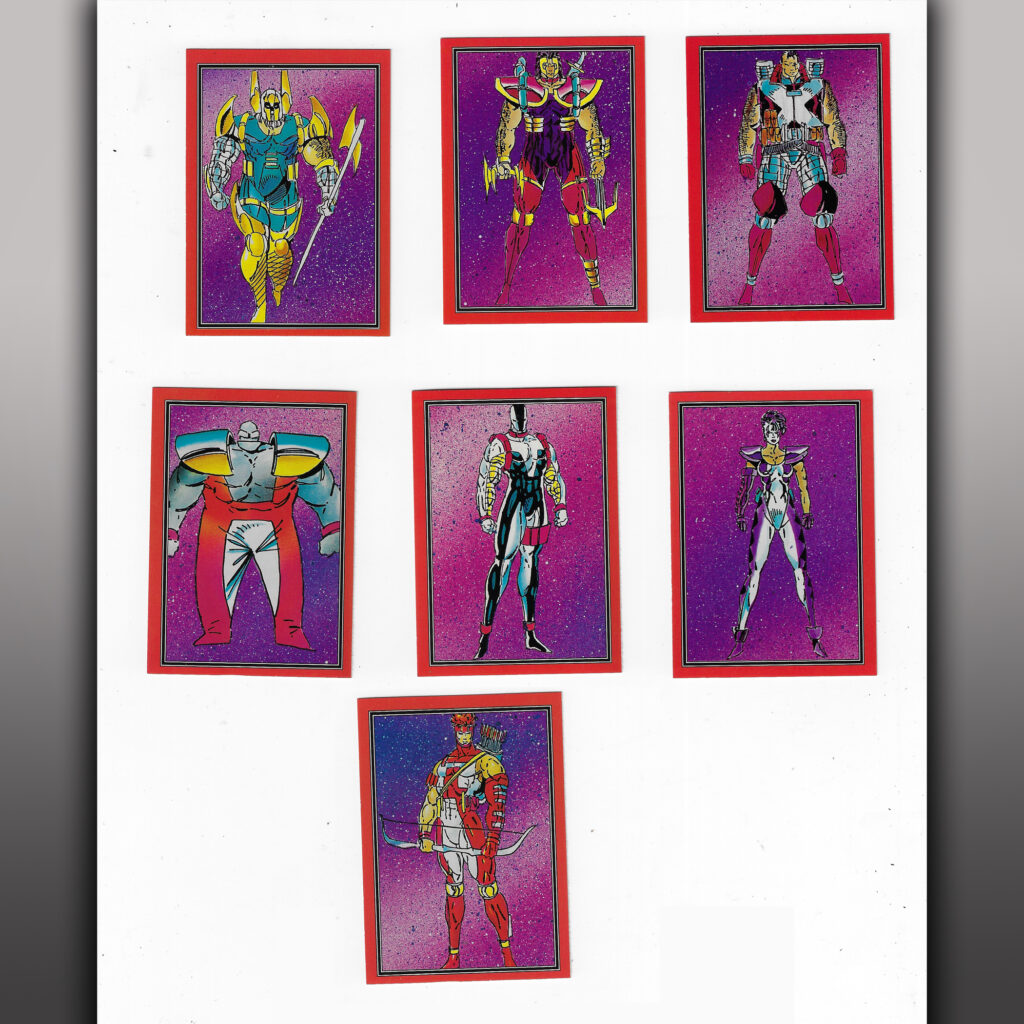
 SIGN UP NOW FOR YOUR FREE TRADING CARD
Rob Liefeld Hub: Exploring the Iconic Creator of Deadpool and 90s Comics Legacy

Rob Liefeld Caricature by Peter A DeLuca sketched on a comic book backing board
Welcome to the ultimate Rob Liefeld Hub on AKAPAD.com, curated by Peter A. DeLuca (AKA AKAPAD), your dedicated guide to the highs, lows, and everything in between of one of comic book’s most polarizing figures. Whether you’re a die-hard fan of Rob Liefeld’s artwork, his groundbreaking characters like Deadpool, or the explosive era of 90s comics, this hub aggregates years of obsessive, in-depth study into a single, comprehensive resource. From his revolutionary companies—Extreme Studios, Maximum Press, and Awesome Entertainment—to the talented alumni who shaped the industry, we dive deep into Liefeld’s world with honesty, passion, and relentless detail.
Why Rob Liefeld? Celebrating the Good, Confronting the Bad
Rob Liefeld burst onto the scene in the late 80s and 90s, redefining superhero comics with his dynamic, high-energy style that captured the spirit of a generation. As the co-creator of Deadpool (the Merc with a Mouth who became a Marvel icon and box-office sensation), Liefeld’s influence on pop culture is undeniable. His Extreme Studios era birthed fan-favorite titles like Youngblood, Brigade, and Prophet, fostering a roster of alumni including J. Scott Campbell, Todd McFarlane, and Jim Lee—creators who went on to dominate the industry. Through Maximum Press and Awesome Entertainment, Liefeld pushed boundaries with bold storytelling and larger-than-life heroes, embodying the raw excitement of 90s comics.
But at AKAPAD.com, true appreciation demands balance and unflinching honesty. That’s why this Rob Liefeld Hub doesn’t shy away from the controversies: the critiques of his anatomy-defying art style, the infamous pouches and feet debates, production delays at his companies, and the ups and downs of his public personality. From triumphant comebacks to public feuds, we explore Liefeld’s career with nuance—celebrating his innovative spirit that launched Image Comics while honestly addressing the criticisms that have made him a lightning rod in the comic community. Peter A. DeLuca’s personal journey as a lifelong fan ensures this isn’t just analysis; it’s a heartfelt, obsessive examination of what makes Liefeld’s legacy so enduring and complex.
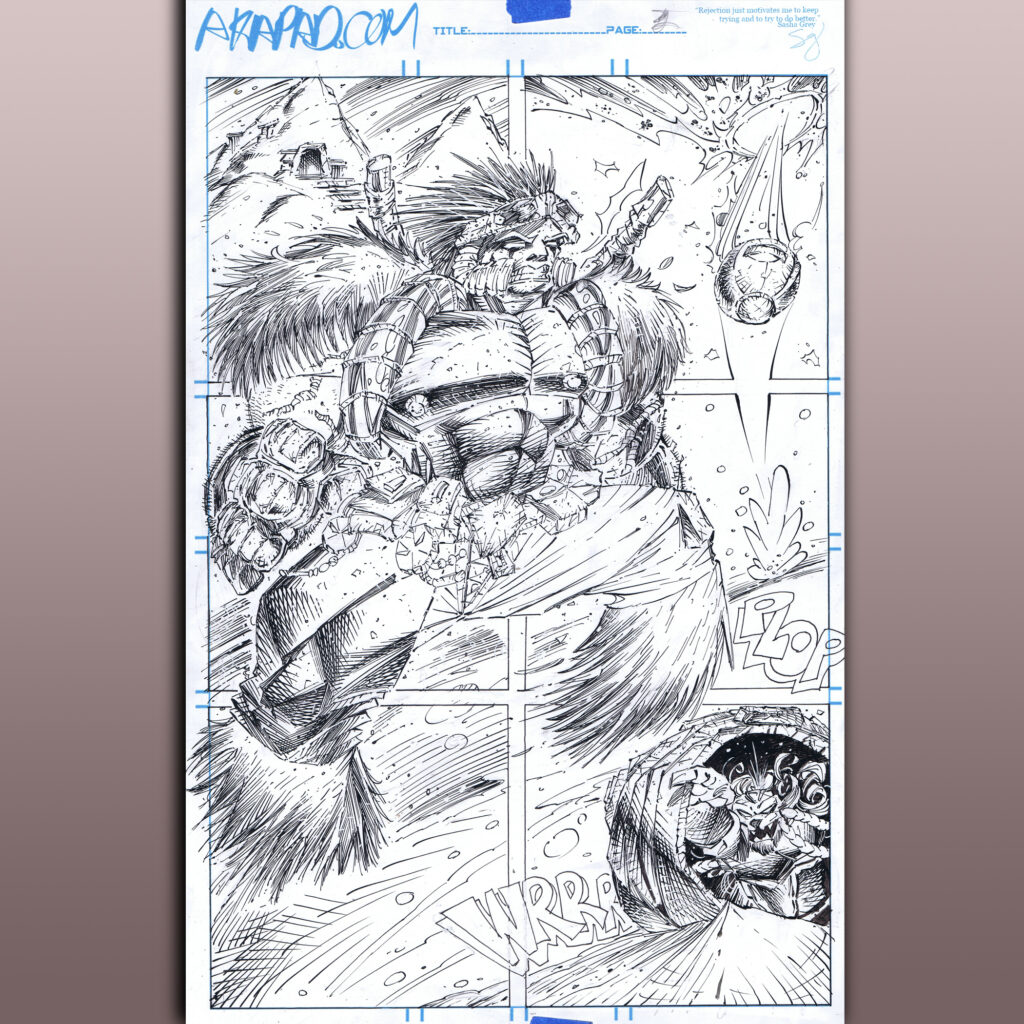
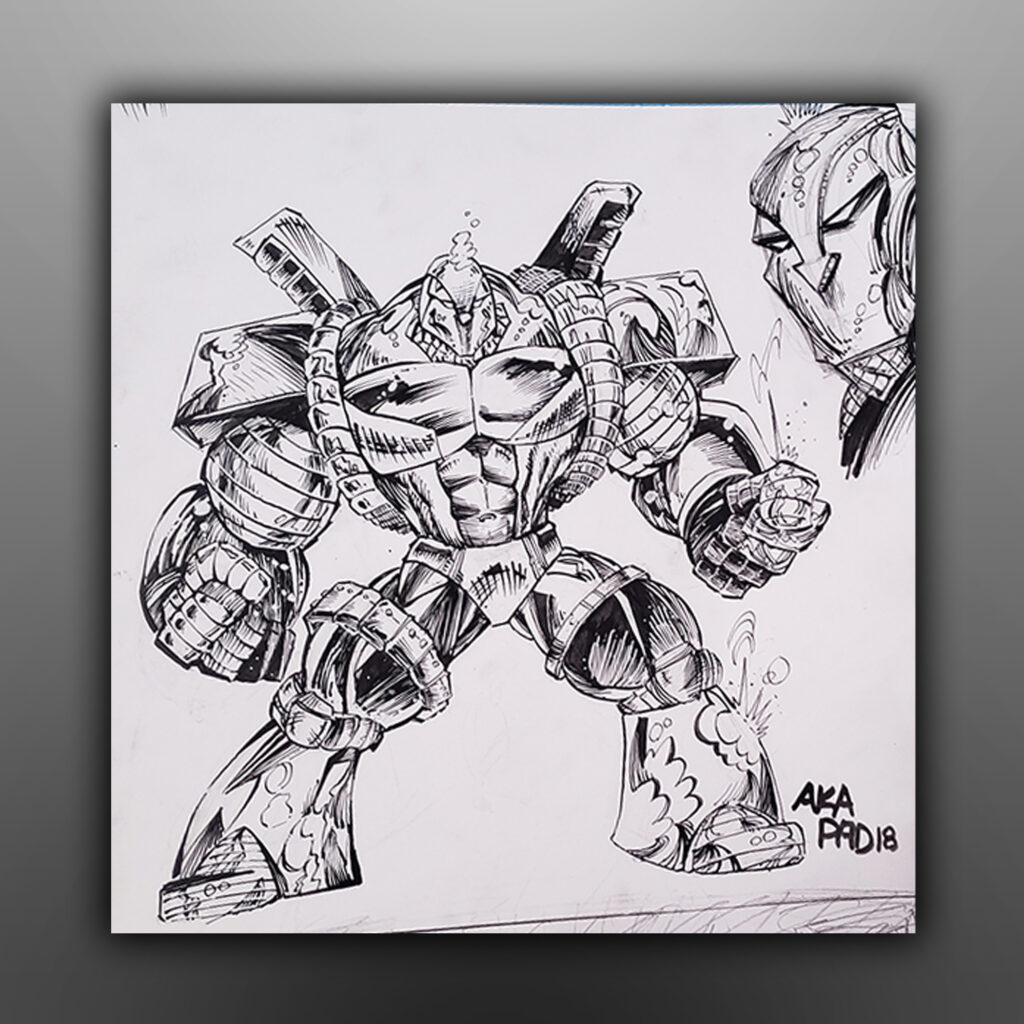
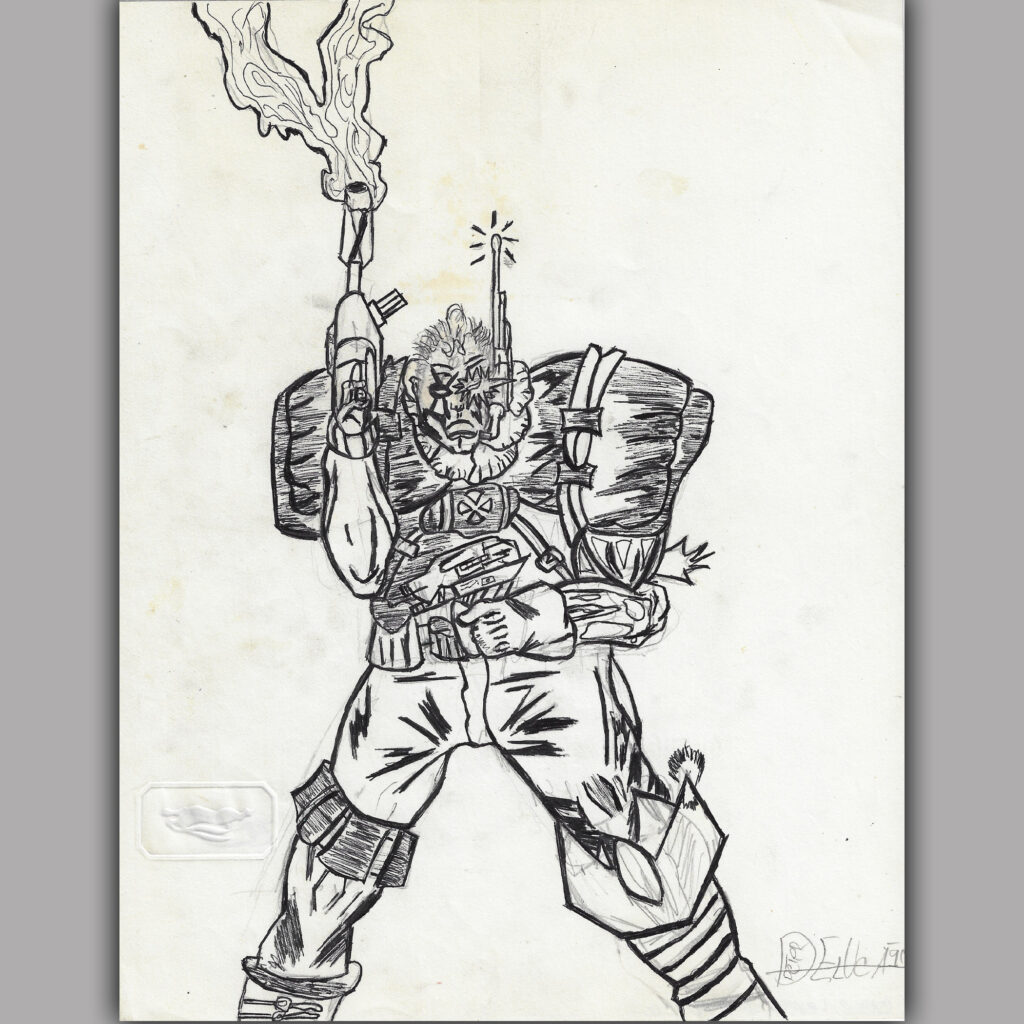
Peter uses every medium at his disposal to dissect and study Rob Liefeld in exhaustive detail: his own artwork inspired by Liefeld’s style, deep dives into Liefeld’s comic book stories and character evolutions, live livestreams breaking down panels and eras, YouTube comic book reviews and analysis videos, and even crossovers into his The Film Buff podcast—where pop culture intersections (like Liefeld’s influence on film adaptations, Deadpool’s cinematic success, and broader media ties) get the same obsessive treatment. This all-encompassing approach turns every angle—artistic, narrative, cultural, and controversial—into fuel for deeper understanding.
Dive Deeper with Extreme Mondays on YouTube
To solidify this study, join Peter A. DeLuca every week on his Extreme Mondays YouTube series. This ongoing show spotlights Rob Liefeld’s characters, dissects key issues from Extreme Studios and beyond, and features live discussions on 90s comics alumni. Whether it’s breaking down Liefeld’s evolution from Marvel’s New Mutants to his indie empires, debating the impact of Deadpool on modern media, or analyzing artwork and stories in real time, Extreme Mondays brings the hub to life with fresh insights, breakdowns, and fan interactions. Subscribe now and never miss an episode—search for AKAPAD on YouTube!
Your Gateway to Rob Liefeld’s Universe
Explore galleries of Rob Liefeld artwork, timelines of his companies like Extreme Studios, Maximum Press, and Awesome Entertainment, character spotlights on Deadpool and more, plus exclusive essays, reviews, and multi-media breakdowns on the 90s comics boom. Whether you’re researching Liefeld’s influence, rediscovering hidden gems, or grappling with his career’s triumphs and tribulations, the Rob Liefeld Hubz is your one-stop destination. Bookmark AKAPAD.com today and join the conversation—because great art, like Liefeld’s, deserves to be seen in all its glory and grit.